
You Don't Need to Train Hard Every Day
Hard training feels productive. But it's not always effective. Progress comes from stress, recovery, and repeat. If you skip recovery, you skip improvement. Easy days are part of the plan — not a weakness.
Generate guided yoga sessions for flexibility, strength, stress relief, or balance. Pick your focus and level — we build a complete weekly practice.
Generate a Free Yoga Plan No credit card required. Free to get started.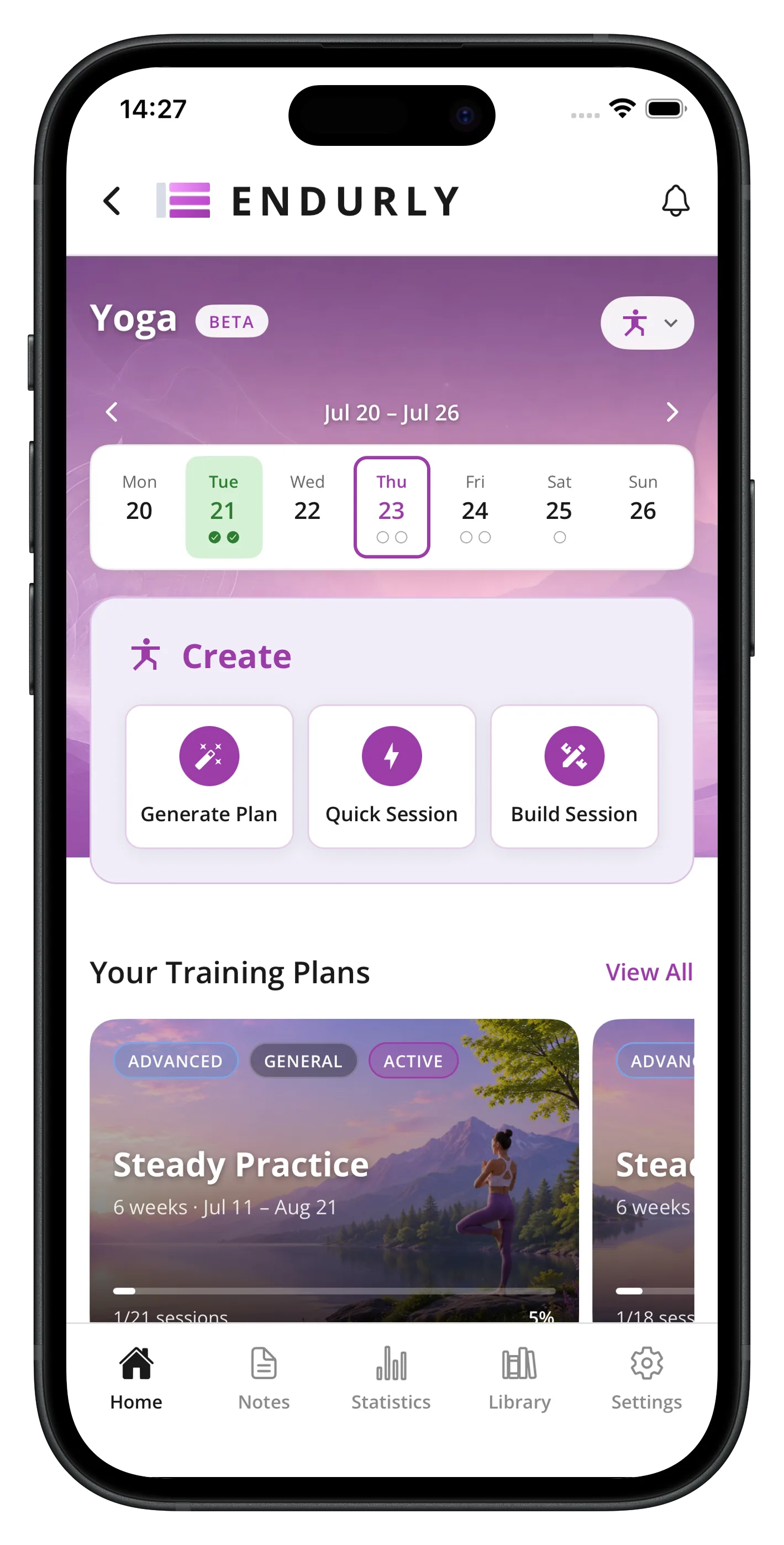
Features
Choose flexibility, strength, stress relief, or balance. Every session is structured around one clear intention — so each practice feels purposeful.
Poses are sequenced to respect body-position transitions: prone, supine, seated, kneeling, standing — no awkward jumping between orientations.
Each pose or transition is anchored to an inhale or exhale count. No stopwatch — the breath is the timer.
Beginner through advanced. Pose depth, hold duration, and flow pace scale to your level so the practice challenges without overwhelming.
App Screenshots
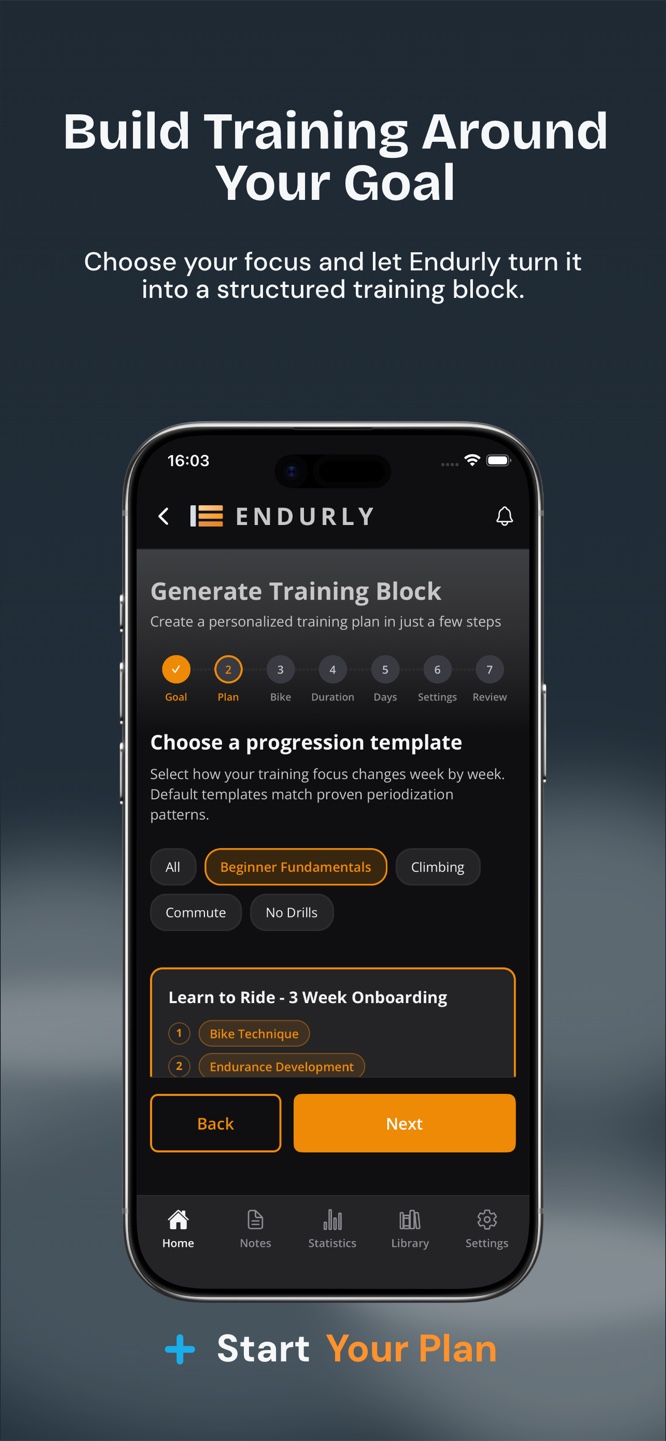
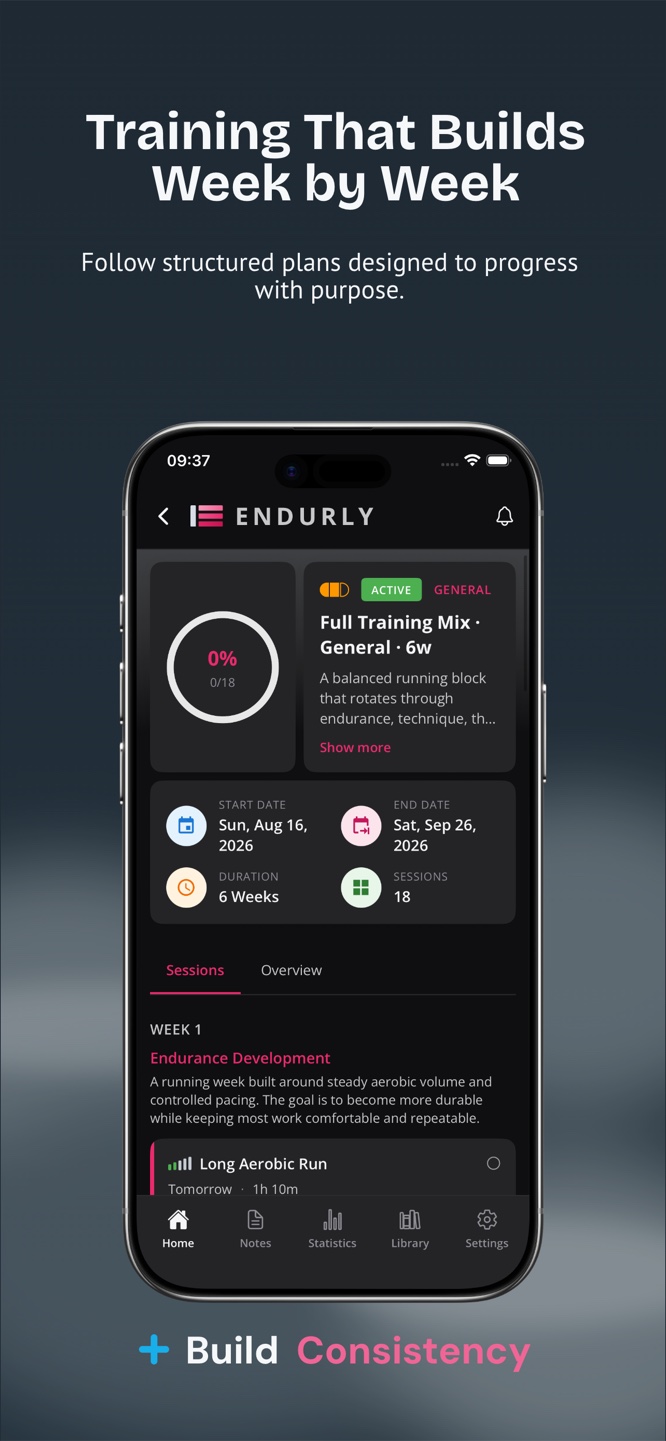
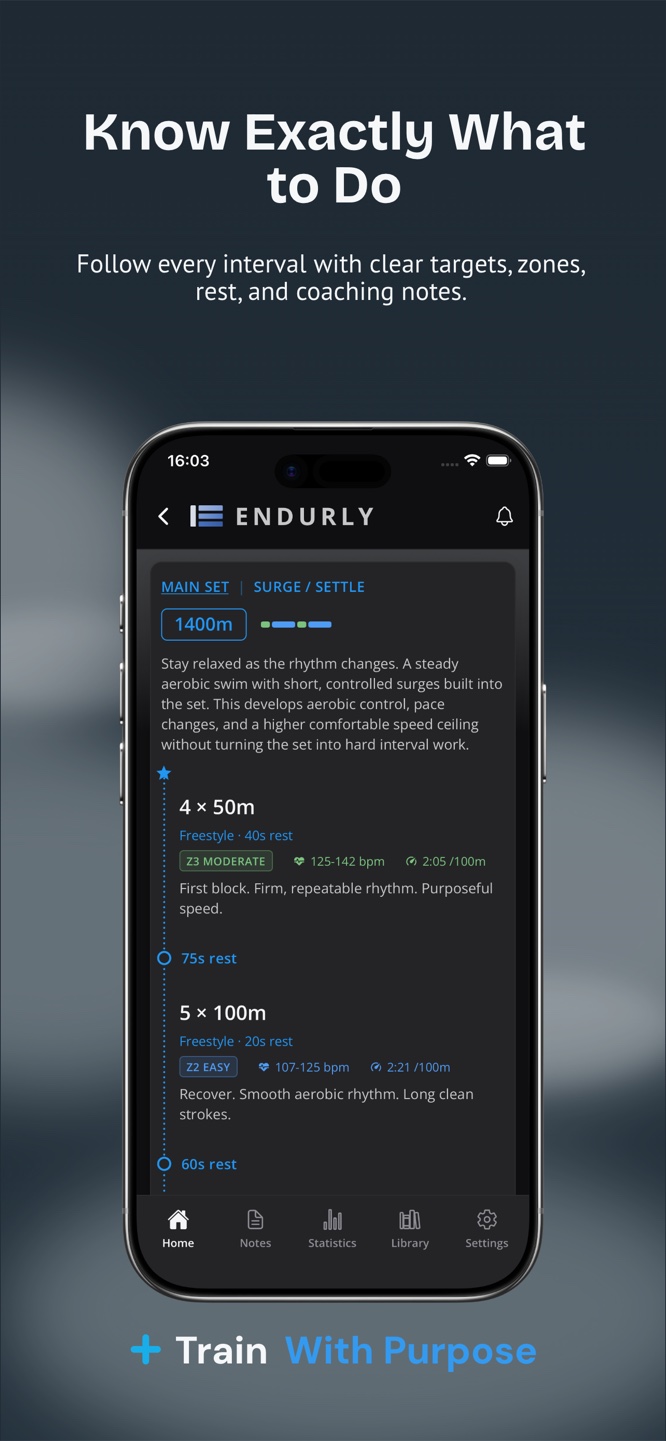
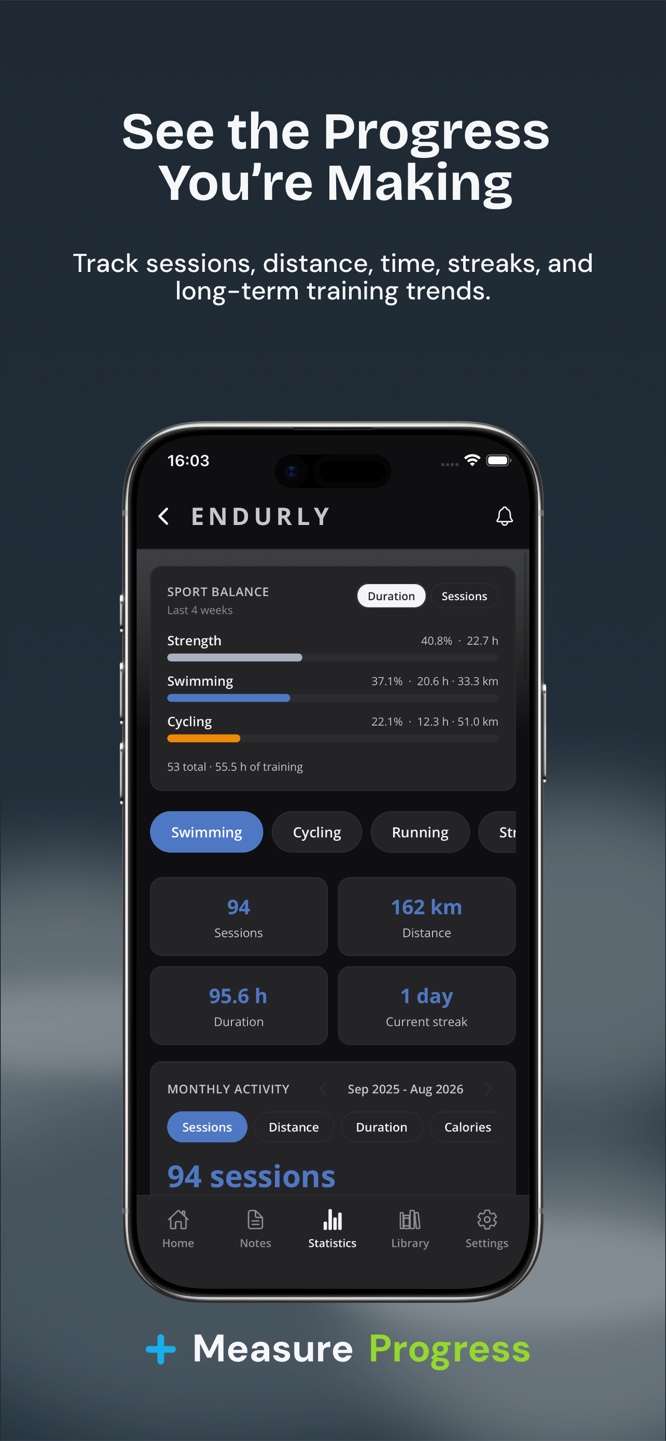
How It Works
Choose what you want from today's session: flexibility, strength, stress relief, or balance. One intention shapes the whole practice.
Set your experience level and preferred style — flowing vinyasa, slow-hold yin, or mindful hatha. We fit the session to you.
Receive a full weekly yoga plan with centering, warm-up, themed main flow, cooldown, and savasana — ready to practise today.
A yoga session without intention is just stretching on a mat. The difference between a session that leaves you clear and energised and one that leaves you confused and sore is pose selection matched to a single theme. Endurly's yoga generator starts with your declared goal — flexibility, strength, stress relief, or balance — and selects every pose from a curated pool mapped to that intention. A flexibility session reaches for longer-hold hip openers and hamstring lengtheners. A strength session layers in held lunges, plank variations, and warrior progressions. The theme is not decoration; it is the filter that connects every pose from centering to savasana into one coherent arc.
Within the theme, the generator balances agonist and antagonist groups so the session leaves the body symmetrical rather than loaded in one direction. A deep backbend day includes counter-poses that neutralise the lumbar. A strong hip-flexor opening day includes glute activation so the pelvis is supported through the work. This balance is built into the catalogue, not decided session by session by the practitioner, which means even a beginner gets a structurally sound practice rather than a random pile of poses that happen to share a hashtag.
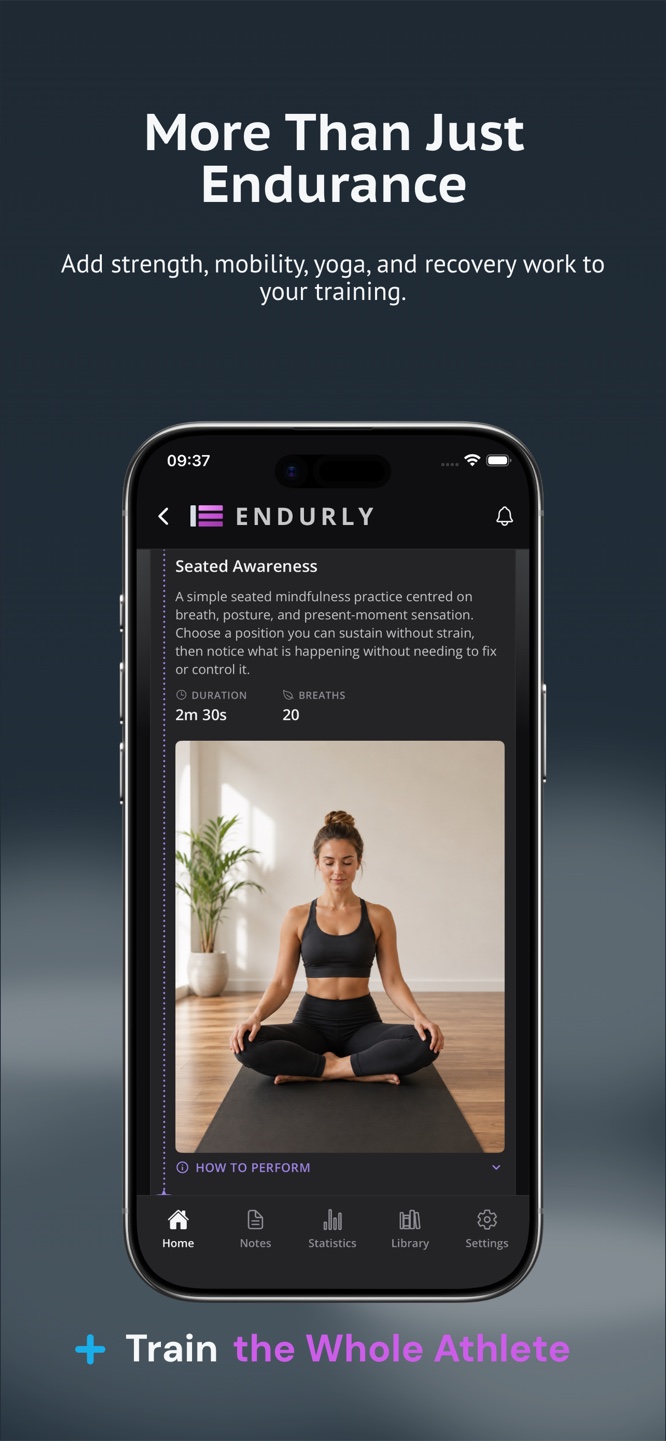
Every Endurly yoga session follows the same five-phase arc: centering, warm-up, main flow, cooldown, savasana. The centering phase settles the nervous system after the transition from daily life — a short seated breath awareness or pranayama sequence, never more than a few minutes. The warm-up prepares the joints and tissues that the main flow will ask the most from, using gentle mobility and simple familiar shapes so the body is ready rather than cold when the depth arrives. The main flow is where the declared theme lives: the peak poses, the held shapes, the strength challenges, the balance sequences. The cooldown reverses the dominant patterns and prepares the body for stillness. Savasana closes the practice and is rotated across the block — silent, guided body scan, visualisation, or yoga nidra — so it does not feel identical each time.
The five-phase arc is not arbitrary formalism. It is the biomechanical reality of how connective tissue and the autonomic nervous system respond to load. Connective tissue changes — increased range of motion, reduced fascial restriction — happen when tissue is warm and time under tension is held long enough. The nervous system shifts toward parasympathetic dominance when the pace slows and the breath leads. Jumping into peak poses cold or skipping savasana shortchanges both adaptations. The structure ensures each session delivers what the goal requires, not just what feels like enough.
Most yoga sessions are taught by teachers who have internalised the pose transitions so deeply that they do not notice when a sequence asks practitioners to move from standing to prone to seated to standing in rapid succession. For the student, this is jarring — each transition costs time and breaks the flow of breath and attention. Endurly's generator sequences poses within body-position families before transitioning. All prone work is grouped. Seated work is grouped. Standing work is grouped. The transitions between families are handled by bridge poses that move the body deliberately rather than asking you to scramble. The session flows, and the breath stays continuous, because the body is never in an unexpected orientation.
Body-position flow also affects fatigue management. Prone poses that engage the posterior chain are placed after standing work has already activated those muscles, not before the body is warm. Inversions are placed when the body is warm but not yet fatigued. Supine poses are reserved for the cooldown and savasana arc when the body is ready to move into restoration. This layering is what separates a structured practice from a random selection of good poses — the sequence is designed to use the body's state at each moment rather than fight it.
Yoga progression does not look like adding weight or running faster. It looks like holding a shape longer, finding depth without tension, breathing calmly in positions that previously required forced concentration, and eventually moving between poses with enough ease that the breath leads and the mind follows. Endurly tracks your declared level and scales the practice accordingly: beginners work with shorter holds, simpler shapes, and more familiar transitions; advanced practitioners receive deeper expressions, longer sequences, and more demanding balance or strength challenges. The level is not a ceiling — it is a starting calibration that shifts as your practice matures.
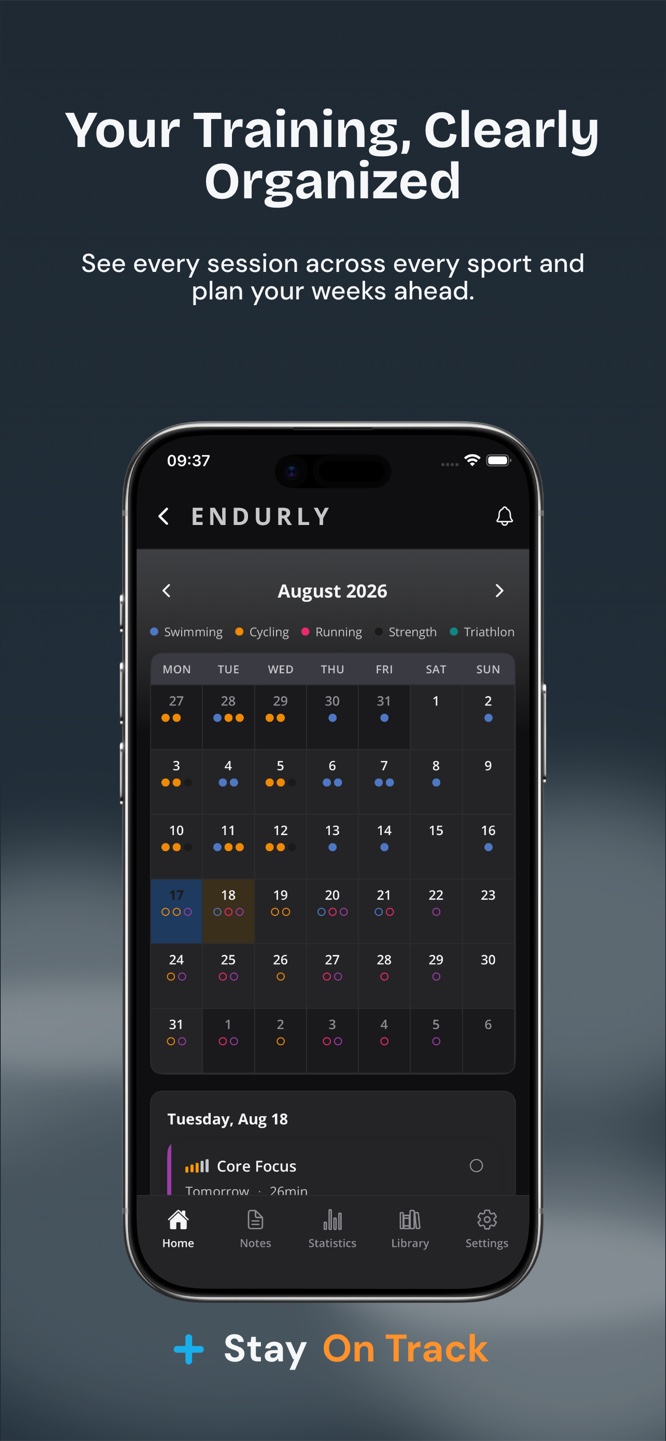
Consistency is the most underrated factor in yoga development. A practitioner who shows up four times per week at a moderate level of challenge will develop more range, strength, and body awareness in three months than someone who attempts one extreme session per week and spends the other six days recovering. Endurly generates a weekly plan that fits the days you have available and scales the duration to the time you can realistically commit. Each session is different enough to stay engaging and similar enough in structure that the five-phase arc becomes a familiar container — so that even on a difficult day, starting the practice is easy because you know exactly what the first few minutes will feel like.
Training Insights
Hard training feels productive. But it's not always effective. Progress comes from stress, recovery, and repeat. If you skip recovery, you skip improvement. Easy days are part of the plan — not a weakness.
Intervals stop working when they become random. No structure means no progress. You need clear pace, clear recovery, and clear purpose. If every session feels different for no reason — it's noise, not training.

Most training happens in the middle. Not easy enough to recover, not hard enough to improve. That's the danger zone. Easy days should be easy. Hard days should be purposeful. Avoid the grey zone.
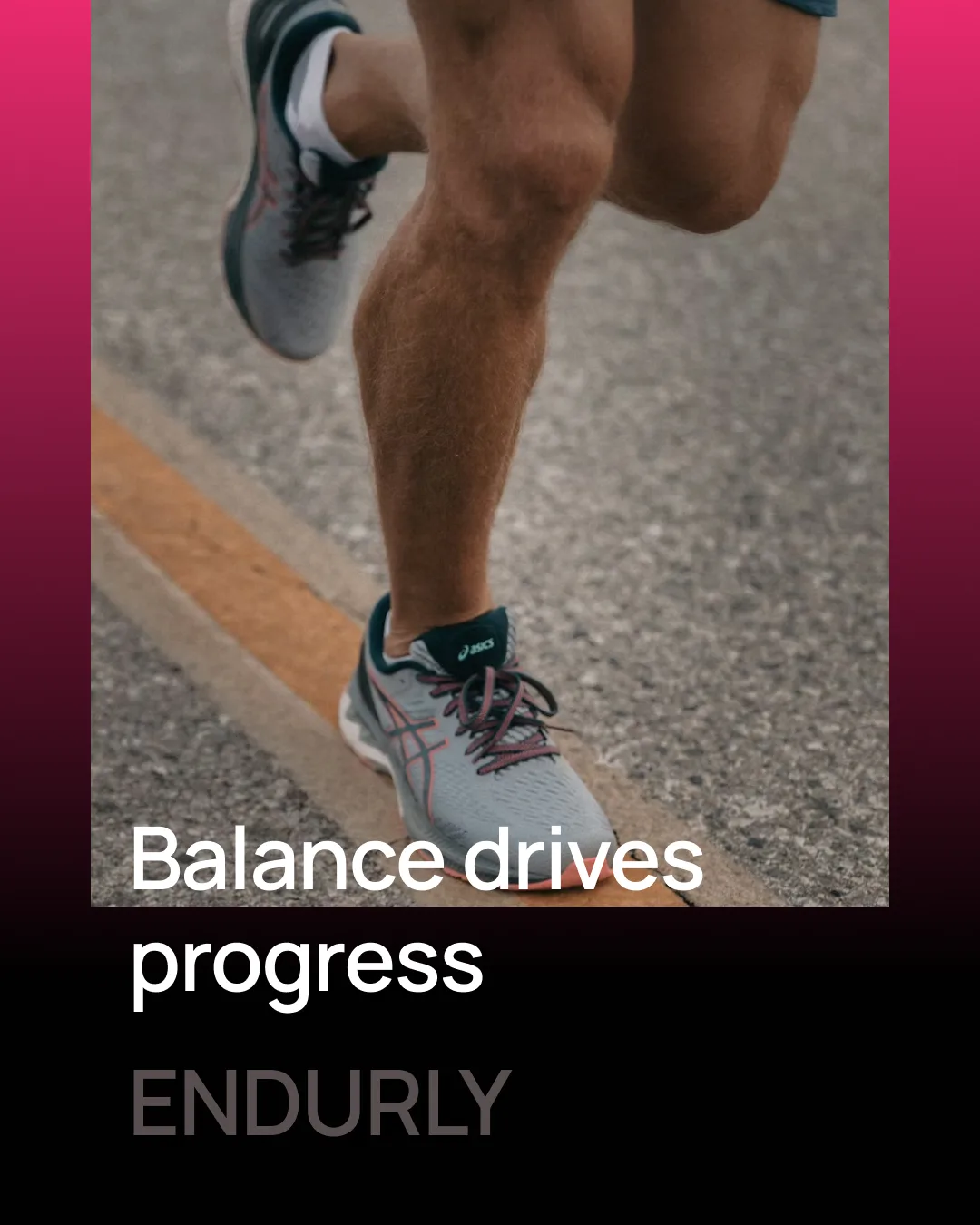
Feeling stuck usually means something is off balance. Too much intensity or not enough structure. Progress needs consistency, recovery, and clear sessions — not just more effort.
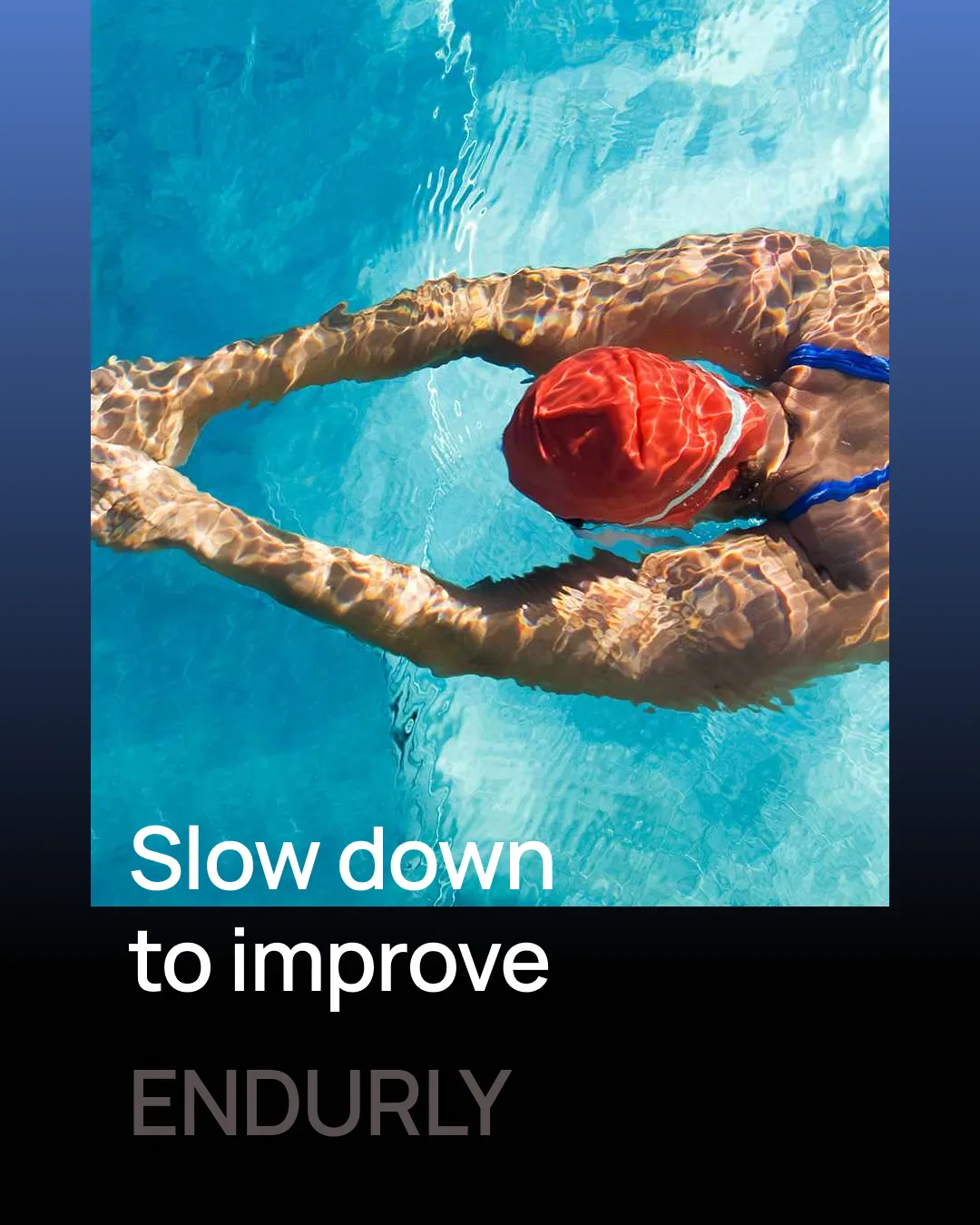
This is the most common mistake. If you can't talk easily, it's not an easy run. Slowing down feels wrong at first. But it builds the base. Run slower. Get faster.
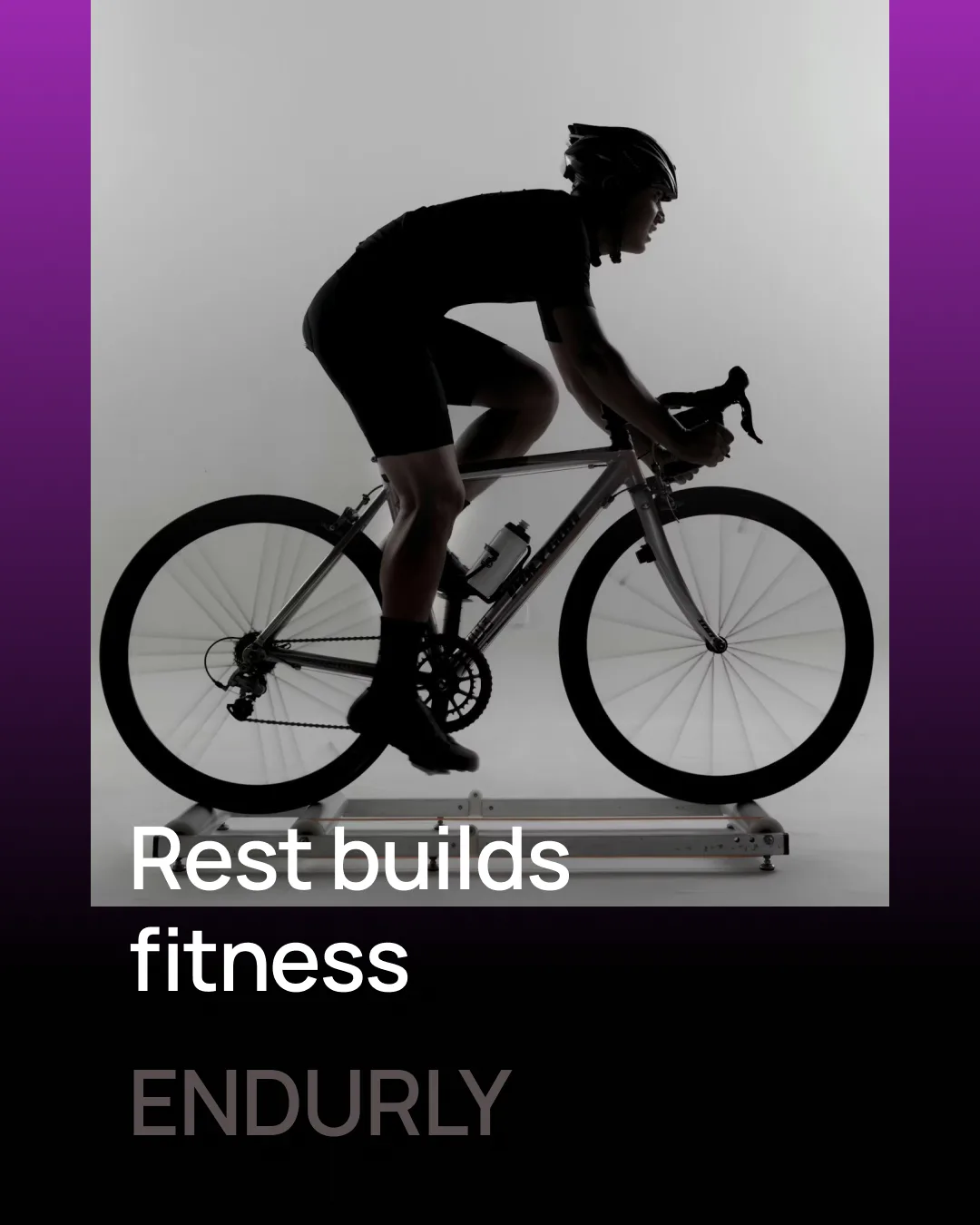
Rest is not doing nothing. It's part of the process. Training breaks you down. Recovery builds you up. Without rest, there is no adaptation. Rest days move you forward.
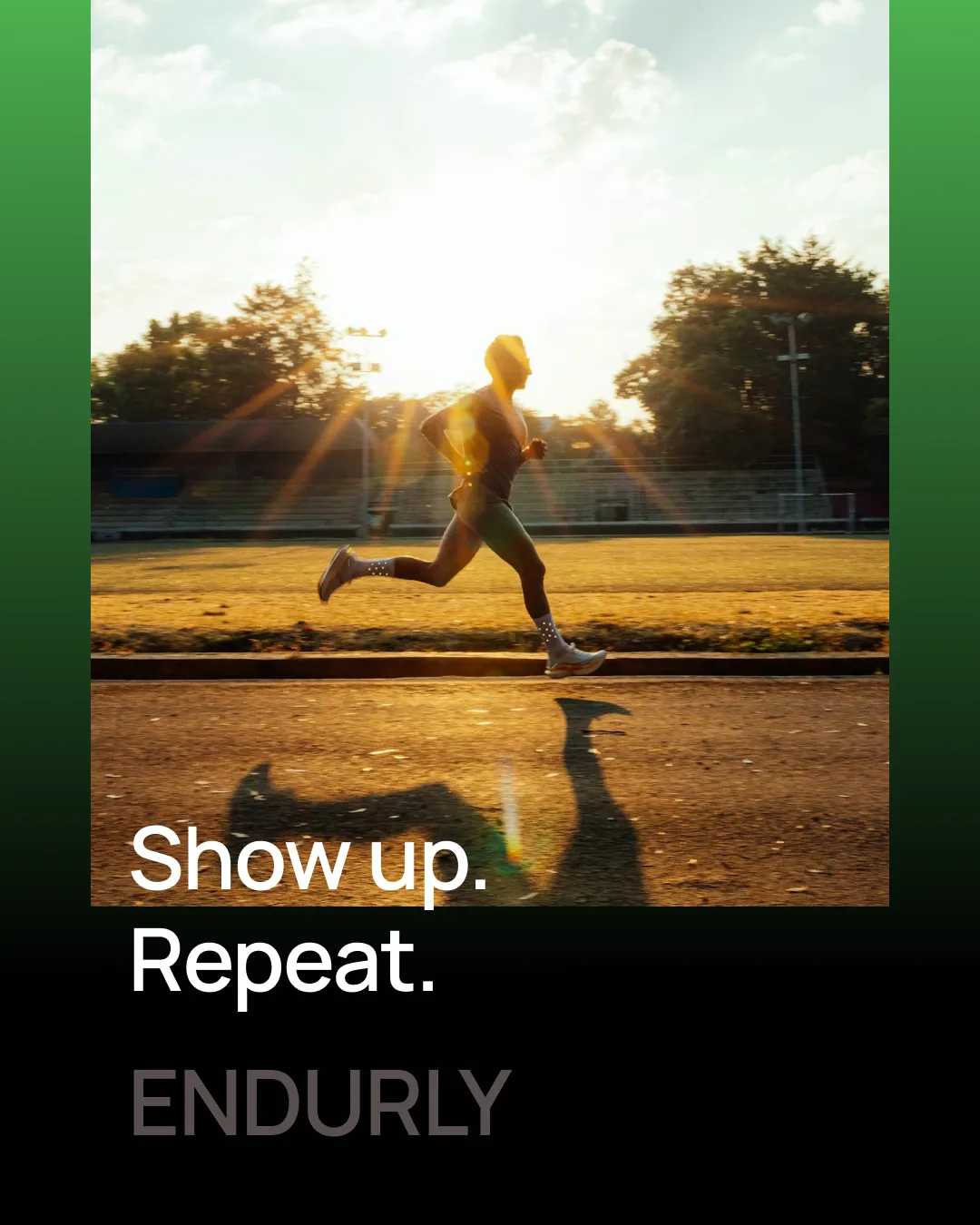
Motivation comes and goes. Consistency stays. You don't need perfect sessions — you need regular ones. Small sessions done often beat rare perfect workouts. Show up. Repeat.
Yes. Endurly is free to sign up and generate workouts. Optional premium features are clearly marked in the app.
Yes. Pick the beginner training level and Endurly scales every workout to a safe, foundational load with clear coaching cues.
Yes. Endurly exports to Garmin, Suunto, and Wahoo via native integrations and structured .FIT files.
No. Endurly generates a workout without personal zones and progressively personalises as you record sessions.
Create your free account and generate your first yoga plan in under a minute.
Start Your Yoga Practice Free